ABOUT
Biosecurity in the Fourth Eon
Fourth Eon develops research, tools, and screening infrastructure to help society anticipate and reduce emerging risks from biological design technologies.
Biology is becoming programmable. AI systems can increasingly model, design, and modify biological function, creating extraordinary new capabilities and new classes of risk.
The machinery of life evolved over four billion years, producing the ability to encode, replicate, and adapt. Now, for the first time, intelligence can engineer that machinery directly.


Fourth Eon builds the screening tools, models, and safeguards that need to keep pace with what biology can now do. Three eons shaped life through evolution. The fourth is shaped by intelligence engineering biology directly.
This is the mission of Fourth Eon Biosecurity.
This is the mission of Fourth Eon Biosecurity.
RESEARCH
Adaptive Biosecurity Infrastructure
Fourth Eon Biosecurity is a research and development organization exploring capabilities, applications, and risks of AI bio models to advance global biosecurity and build adaptive safeguards.
AIXBIO
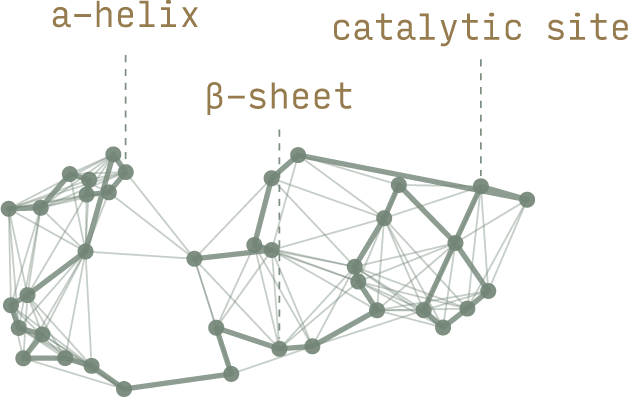
Exploring AI protein design risk
Biological foundation models and biodesign tools are transforming our ability to create novel proteins and pushing the boundaries of synthetic biology. They also pose new challenges for biosecurity due to the potential for engineering dangerous functions.
— + —
Fourth Eon is evaluating AI-enabled protein design in the context of biosecurity screening, and seeking to understand the capabilities of current models in generating novel proteins that could challenge existing safeguards.
SYNTHESIS SCREENING
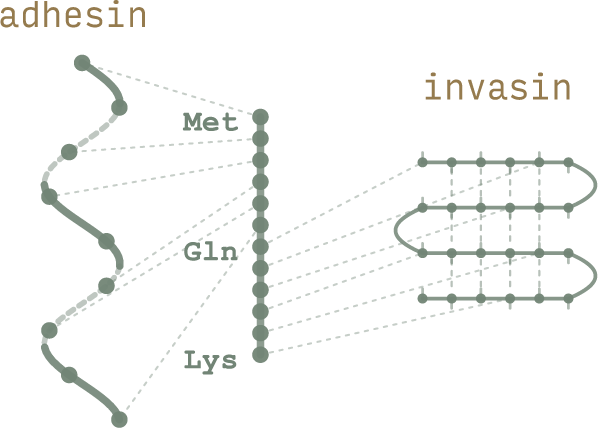
Developing function-based sequence screening
DNA synthesis screening is central to detecting hazardous biological function before it’s built. DNA sequences encode a highly compressed representation of biological function, which is executed by the cellular environment through the processes of molecular biology. Screening sequences for hazardous functions has traditionally relied on homology to known genes and proteins, but this approach is being strained as synthetic biology pushes beyond the space explored by nature.
— + —
Biological foundation models can learn a rich and nuanced representation of biomolecules by mapping their sequence-structure-function relationships to a high-dimensional embedding space. Fourth Eon is evaluating foundation model capabilities for predicting structure, binding, function, and other molecular properties directly from sequence, and exploring how this could be used for detecting biological threats that do not closely resemble anything found in nature.
PEOPLE
The Team Behind Fourth Eon
Chris Ganje
Co-founder & Executive Director
Chris leads Fourth Eon's strategy and growth, drawing on two decades of experience spanning AI, critical infrastructure, and global security.
Read Biography →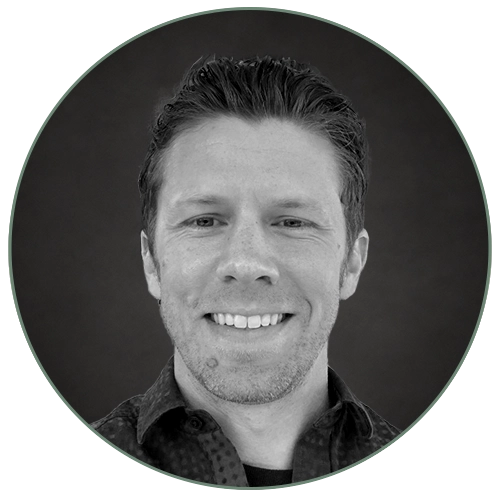
Gary Abel
Co-founder & Chief Scientist
Gary leads research and development at Fourth Eon. His expertise spans chemistry, molecular biophysics, biosecurity, and sequencing technology.
Read Biography →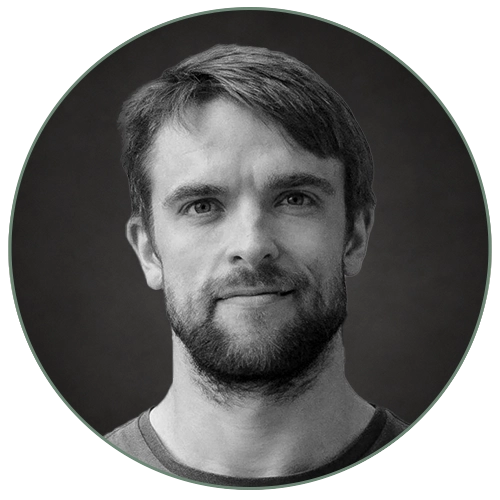
James Black
Founding Scientific Advisor
James is a founding Scientific Advisor and co-inventor of the adaptive screening method. He is also a Contributing Scholar at Johns Hopkins Center for Health Security.
Read Biography →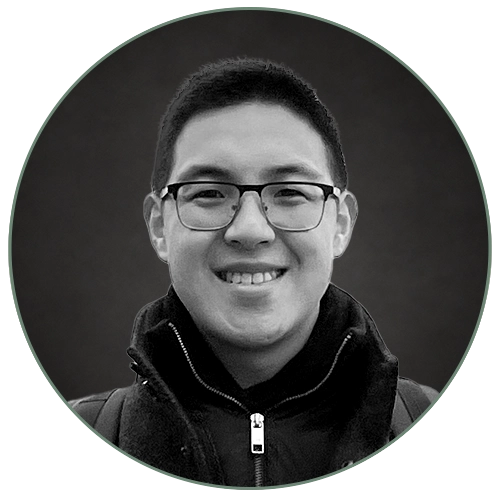
Chris (Ngai Lam) Chung
Research Fellow
Chris recently completed his DPhil in Biochemistry at the University of Oxford, where he specialized in viral protein dynamics with biomolecular NMR spectroscopy.
Read Biography →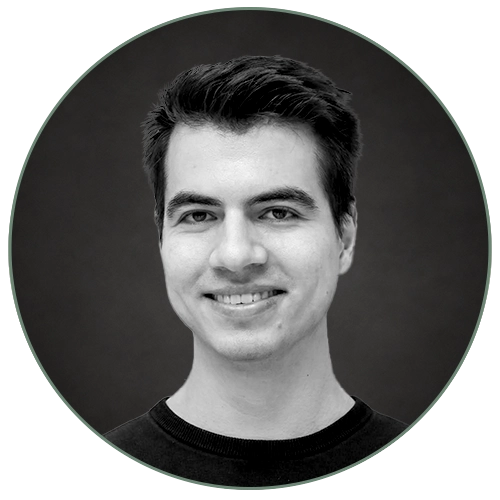
Elias Nehring
Research Fellow
Elias recently completed his MSc in Computational Biology and Bioinformatics from ETH Zürich, where he specialized in ML for protein design.
Read Biography →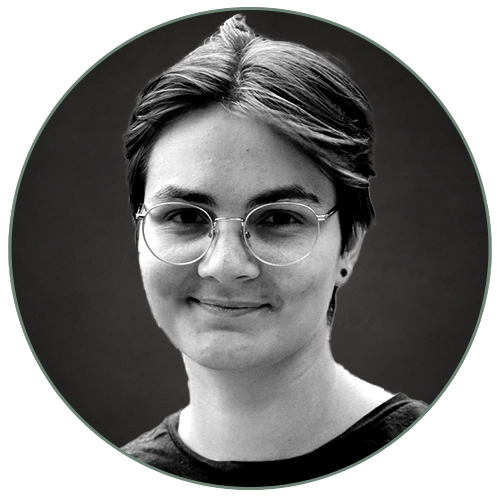
Hanna Pálya
Research Fellow
Hanna is a PhD student in Mathematical Epidemiology at the University of Warwick, applying ML to syndromic surveillance data for early outbreak detection with the UK Health Security Agency.
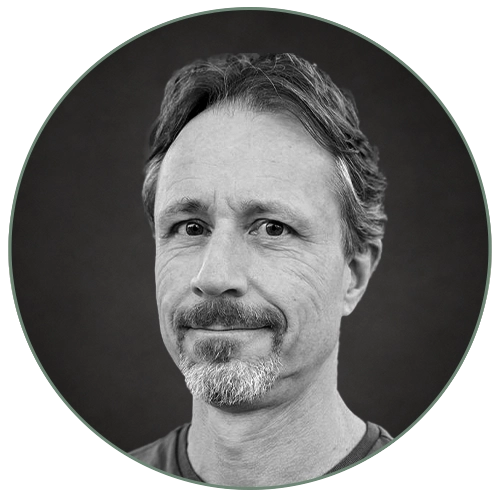
Ian Beatty
Research Affiliate
Ian is a Physics Professor at the University of North Carolina Greensboro, with experience in Physics Education Research and Computational Physics.
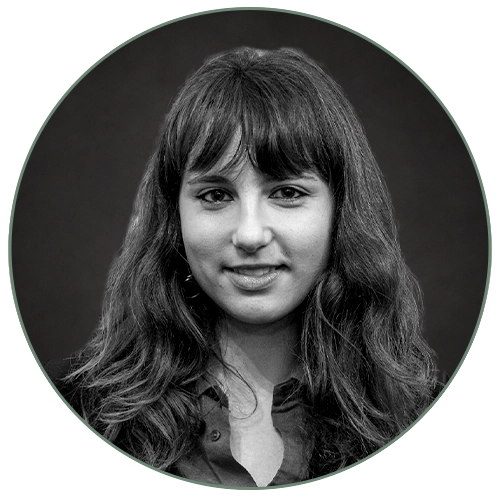
Isha Harris
Research Fellow
Isha is a medical student at the University of Cambridge, with an undergraduate degree in Biochemistry.
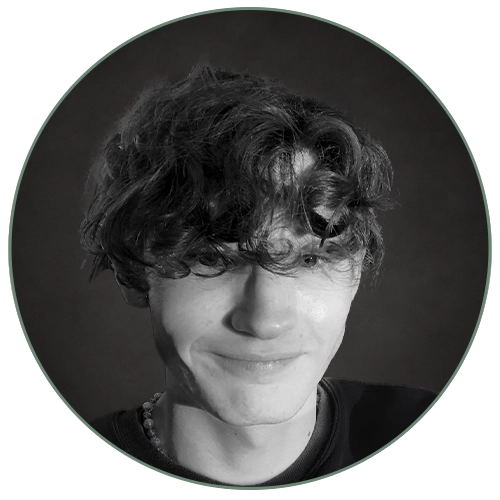
Jack Douglass
Technical Consultant
Jack develops infectious disease diagnostics at Strive Bioscience, an early-stage startup.
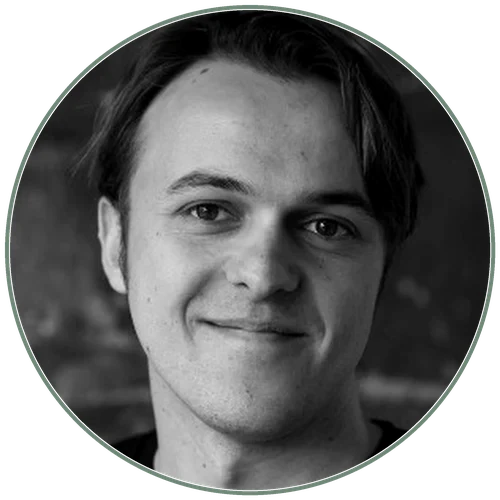
Dustin Gault
Tech Praetor
Dustin builds and safeguards Fourth Eon’s software systems, combining more than a decade of full-stack and AI engineering with a clinical laboratory science background.
Read Biography →PEOPLE
The Team Behind Fourth Eon
Chris Ganje
Co-founder & Executive Director
Chris leads strategy and scale at Fourth Eon. He’s spent two decades at the intersection of frontier technology, infrastructure development, and global security. He co-founded and scaled AMPLYFI, a venture-backed AI company partnering with international defense agencies, and previously led disruptive technology assessment and energy policy at BP. He is a DARPA SWITCH Advisor, Innovate UK Council Member, and a Big if True Science Fellow at Renaissance Philanthropy. Chris holds a BA in History from SUNY New Paltz and an MSc in International & European Politics from the University of Edinburgh.
Gary Abel
Co-founder & Chief Scientist
Gary leads research and development at Fourth Eon. His expertise spans chemistry, molecular biophysics, biosecurity, and sequencing technology. He’s spent nearly two decades studying how DNA, RNA, and proteins behave and interact. He is also a Contributing Scholar at the Johns Hopkins Center for Health Security, supporting the Center’s work to understand and mitigate global biological risks from advanced AI. Gary holds a BS in Physics from San Jose State University and a PhD in Chemistry from University of California Merced.
James Black
Founding Scientific Advisor
James is a founding Scientific Advisor and co-inventor of the adaptive screening method. He is also a Contributing Scholar at Johns Hopkins Center for Health Security. He is a medical doctor and computational biologist with expertise in biosecurity, evolutionary biology, and genotype-phenotype relationships. James holds a BA in Medical Sciences from Oxford University, an MBBS from Imperial College London, and a PhD in Computational Cancer Genomics from University College London.
Chris (Ngai Lam) Chung
Research Fellow
Chris recently completed his DPhil in Biochemistry at the University of Oxford, where he specialized in viral protein dynamics with biomolecular NMR spectroscopy. Chris is now investigating biosecurity risks brought by the rapid development of AI tools, particularly at the interface of structural and computational biology, and is funded by Coefficient Giving’s Career Transition Fellowship program. Chris holds a BSc in Biochemistry from Imperial College London and a MSc by Research in Biochemistry from the University of Oxford.
Elias Nehring
Research Fellow
Elias recently completed his MSc in Computational Biology and Bioinformatics from ETH Zürich, where he specialized in ML for protein design. He is interested in AI capabilities and biosecurity risk. He has contributed to publications on LLM risks in agriculture and computational methods in ecology. Previously, he worked at McKinsey on geospatial analytics and generative AI for agriculture.
Hanna Pálya
Research Fellow
Hanna is a PhD student in Mathematical Epidemiology at the University of Warwick, applying ML to syndromic surveillance data for early outbreak detection with the UK Health Security Agency. Beyond this, their biosecurity work includes co-developing an AI Know-Your-Customer tool for DNA providers, scoping a research programme for function-based screening of nucleic acid sequences with the Centre for Long-Term Resilience, and AI-bio threat modelling as a GovAI Winter Fellow. They hold a BSc in Biology and Philosophy from the University of St Andrews.
Ian Beatty
Research Affiliate
Ian is a Physics Professor at the University of North Carolina Greensboro, with experience in Physics Education Research and Computational Physics. Driven by a desire to make the world safer, he’s diving into the AI-biosecurity nexus, trying to reduce catastrophic pandemic risk by improving DNA synthesis screening methods. Ian holds a PhD in Physics from the University of Massachusetts Amherst.
Isha Harris
Research Affiliate
Isha is a medical student at the University of Cambridge, with an undergraduate degree in Biochemistry. She has research experience in viral genomics and cancer immunology, and is applying her computational background to biosecurity as a SPAR research fellow.
Jack Douglass
Technical Consultant
Jack develops infectious disease diagnostics at Strive Bioscience, an early-stage startup. He’s previously built sequence filtration software for SecureBio Detection, researched virulence factors to inform DNA screening standards, and founded an iGEM team at the University of Arizona, where he’s also completing a B.S. in biology. He’s also interested in PPE, function-based synthesis screening, and transmission suppression technologies.
Dustin Gault
Tech Praetor
Jack develops infectious disease diagnostics at Strive Bioscience, an early-stage startup. He’s previously built sequence filtration software for SecureBio Detection, researched virulence factors to inform DNA screening standards, and founded an iGEM team at the University of Arizona, where he’s also completing a B.S. in biology. He’s also interested in PPE, function-based synthesis screening, and transmission suppression technologies.